Removable and wall vinyl
Removable and wall vinyl is made for graphics that need to hold neatly without behaving like a permanent bond. It suits promotions, interior branding and short-run wall work where easier removal matters.
Built for short-life graphics and painted walls
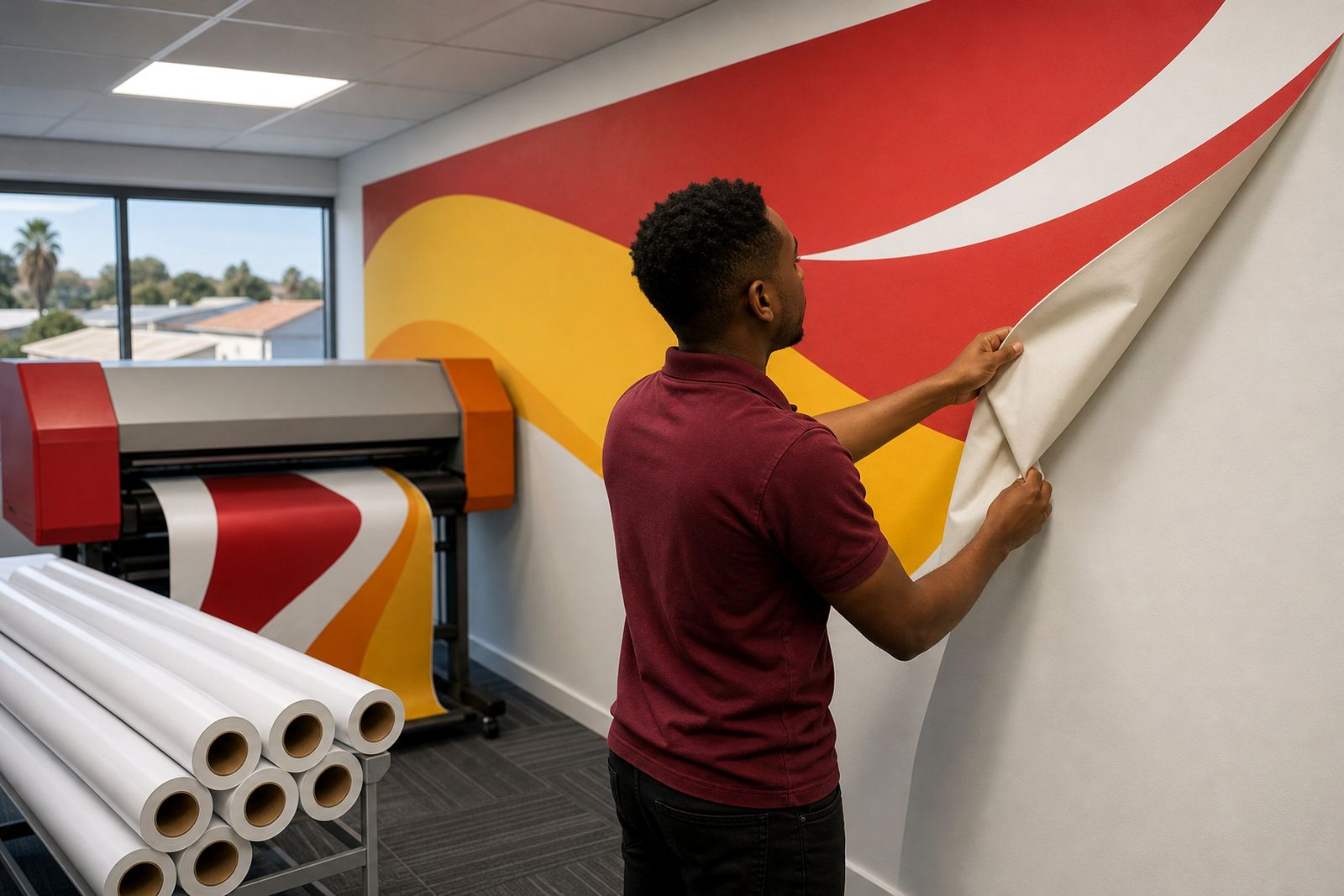
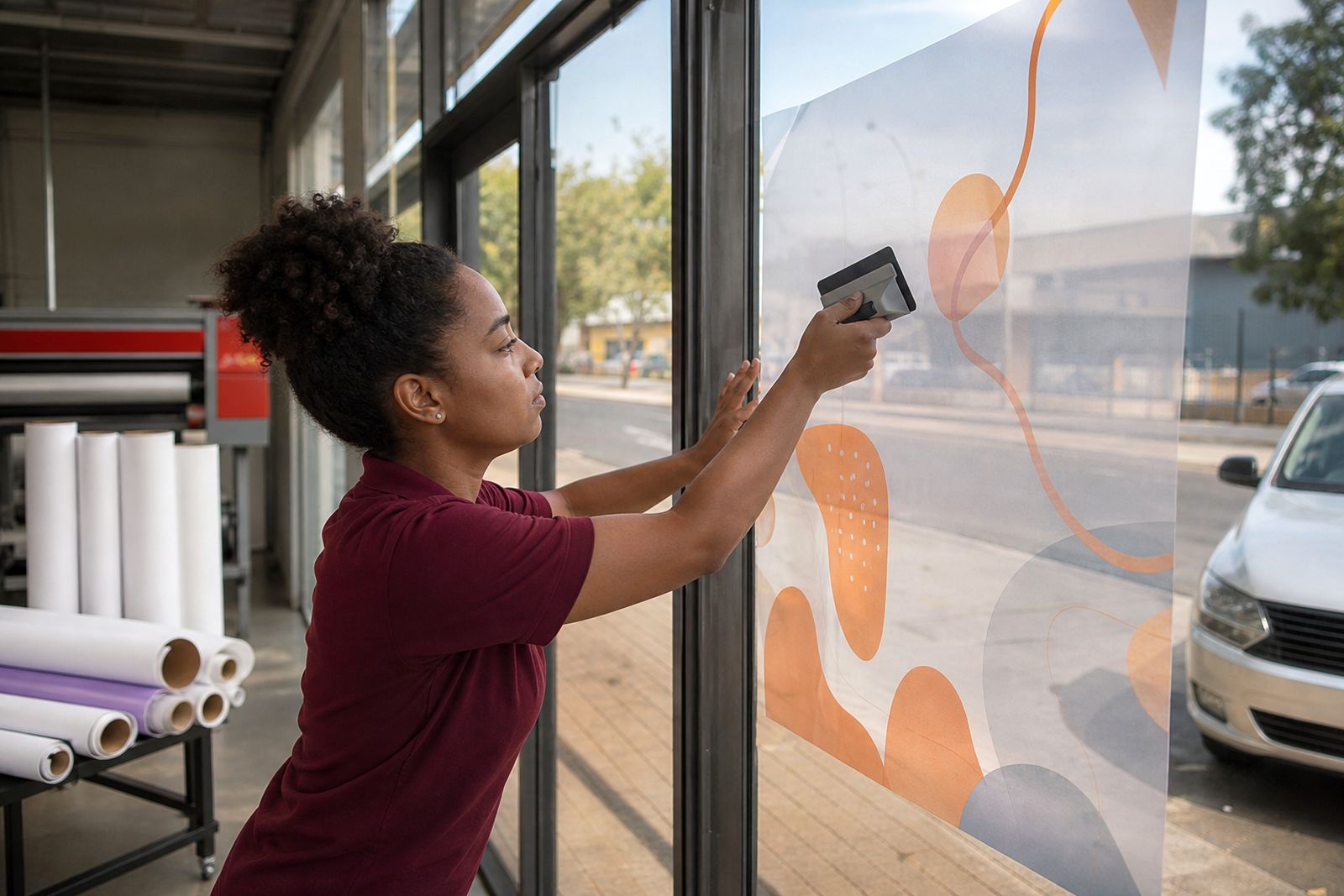
Removable printable vinyl uses a lower-tack adhesive than standard permanent grades, so it can be lifted with less risk of pulling paint or leaving heavy glue behind. On the right surface it is a practical choice for retail campaigns, event panels, point-of-sale graphics, office walls and indoor decor pieces where the message may change after a promotion or season.
Wall vinyl is not one single material. Some rolls are aimed at smooth interior painted walls, while others suit flatter boards, glass or temporary panels. The printable face stock is made for wide-format machines using eco-solvent, solvent, latex or UV inks, and the finish can be chosen to suit glare levels and the look of the graphic.
- Low-tack adhesive for easier removal than permanent vinyl
- Used for indoor campaigns, displays, wall pieces and short-run branding
- Printable on common wide-format ink platforms
- Available in white films, with matt surfaces often preferred on walls
Roll widths, finishes and the limits that matter
Common widths such as 1.07 m, 1.27 m, 1.37 m and 1.52 m are often used depending on the printer and panel layout. Wider rolls reduce joins on large murals, but wall condition and handling on site still matter more than width alone. For smaller decals and short retail strips, narrower rolls can be easier to manage at the print room and during installation.
Most removable and wall films are chosen in matt white because it hides reflections under interior lighting and gives a painted-on look from normal viewing distance. Gloss can work for promotional panels and smoother display surfaces, but on textured walls it tends to show every rise and dip. Low-tack film also has limits. It is not the right answer for rough plaster, chalky paint, damp walls, fresh paint or outdoor exposure where wind, rain and heat cycles push harder on the adhesive.
- Typical widths: 1.07 m, 1.27 m, 1.37 m and 1.52 m
- Matt white is usually the safer interior wall choice
- Gloss is better suited to smoother promotional surfaces
- Not ideal for rough plaster, crumbly paint, damp areas or long outdoor use
Where removable vinyl works well, and where it does not
This material suits indoor jobs where the graphic has a clear life span. Think seasonal promotions, exhibition walls, rented shop fittings, office messaging, schools, menu updates, pop-up stores and decorative artwork in controlled interiors. It also works well for makers and artists producing short batches of wall decals or display sets.
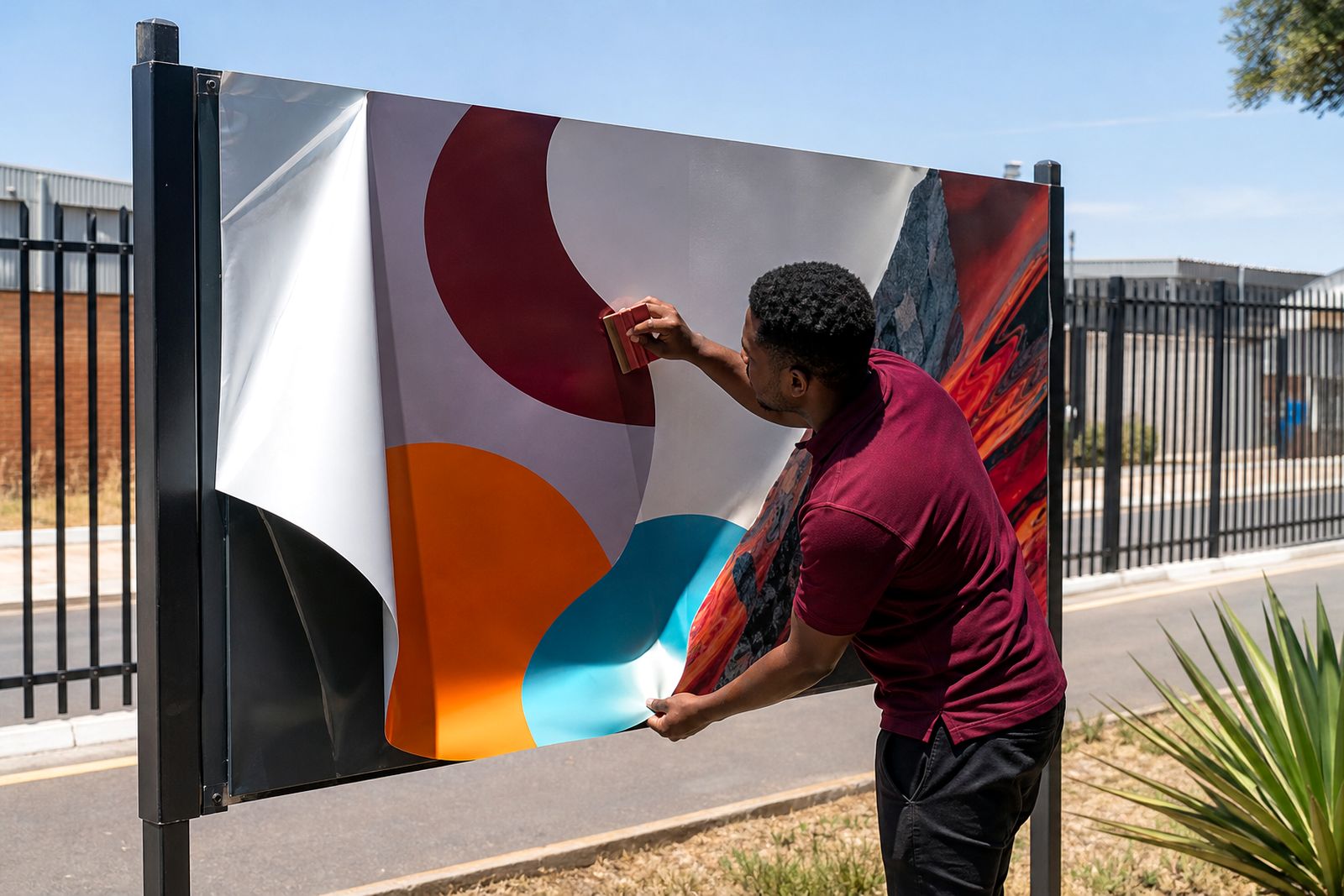
It is less suitable where there is constant scrubbing, steam, direct weather, high grease build-up or unstable paint. A coastal site with humid air can still be fine indoors, but walls must be dry and sound before fitting. For vehicle work, exterior sign boards and window jobs exposed to full sun and rain, an outdoor monomeric or polymeric vinyl is usually the proper route rather than a removable wall film.
When the surface is unknown, it helps to test a small printed sample first, because one painted wall can behave very differently from the next even in the same building.
Site conditions and fitting notes
Clean application matters more with low-tack adhesive because the film does not have the same grab as a permanent product. Dusty walls, flaking paint and moisture behind the paint line can all reduce hold. Freshly painted walls should be left to cure properly before graphics go up, otherwise the adhesive may not bond evenly or the paint may lift during removal. A smooth, sealed painted surface gives the best result.
Wall graphics are easier to fit in manageable panels with a planned overlap or butt join, depending on the film and installer preference. Large pieces should be aligned carefully from the start because repeated lifting can stretch some films. In colder inland winters the room temperature can affect initial tack a bit, so the vinyl and wall should not be icy cold at installation.
- Apply only to clean, dry and stable surfaces
- Allow fresh paint to cure fully before installation
- Test on unknown paints or low-grade interior coatings
- Plan panel sizes to suit the wall height and installer handling
- Avoid fitting over loose paint, damp patches or heavy texture
Print, laminate and day-to-day care
Not every wall job needs laminate. For indoor murals and short-term promotional walls, many users print straight onto a matt removable vinyl and fit it without overlaminating to keep the finish soft and less plastic-looking. Where the graphic will be touched often, cleaned lightly, or used in a passage with trolley and box contact, a matching cold overlaminate can help with scuff resistance.
After printing, solvent and eco-solvent inks should be allowed proper drying and outgassing time before lamination or packing. Latex and UV output behaves differently, but media settings still need to match the film. Cleaning should stay gentle: a soft dry cloth or slightly damp microfibre cloth is usually enough. Strong chemicals, abrasive pads and hard scrubbing can mark the print or edge-lift the vinyl, that catches many people out.
What to send with your enquiry
When you ask about removable or wall vinyl, the useful details are the printer type, ink set, the wall or panel surface, whether the job is indoor only, and whether you need a matt or gloss face. If the wall has texture, fresh paint, damp history or an unknown coating, say so from the start. That helps us point you toward a film that matches the job instead of sending a roll that fights the site.
Please include the approximate roll width you prefer, whether the graphic will be laminated, and if removal later is a key requirement. Sign shops often know this already, but artists and hobbyists sometimes only have the application in mind. That is fine. We can still guide the material choice through our contact form.
- Printer model and ink type
- Indoor wall, board, glass or another smooth surface
- Matt or gloss preference
- Short campaign or longer interior display
- Need for laminate or unlaminated finish
- Preferred roll width
What our Printable Vinyl customers say
Verified Google reviews
Questions we get asked
Can removable wall vinyl be used on all painted walls?
No. Smooth, sealed and well-cured paint gives the best hold and the cleanest removal. Powdery coatings, flaking paint, damp walls and heavy texture can cause failure or paint lift.
Do I need laminate on wall graphics?
Not always. Many indoor wall graphics are left unlaminated for a flatter look, but high-contact areas can benefit from a matching cold overlaminate for extra scuff protection.
Is removable vinyl suitable for outdoor stickers?
Usually not as the main choice. For exterior weather exposure, stronger outdoor monomeric or polymeric printable vinyl is normally the better option.
Also worth a look
Tell us about the job
Send sizes, materials and where you are through our contact form, and we will come back with the practical options.
Open the contact form