Cold overlaminate film
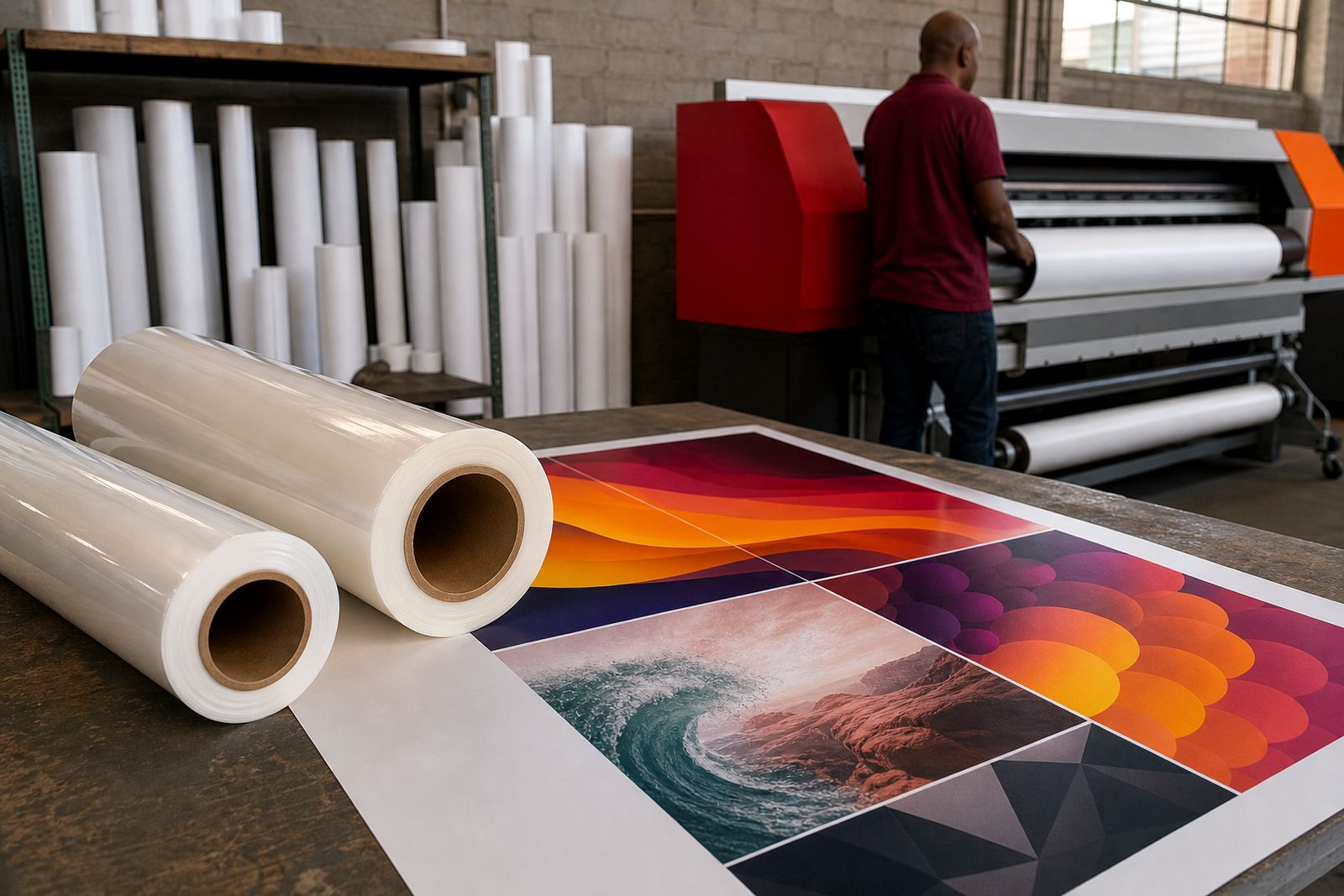
Cold overlaminate film is a clear pressure-sensitive layer applied over a printed vinyl face to help guard against scuffs, handling marks and UV exposure. It is a practical finish for decals, signs and display graphics where the print needs a longer service life and a cleaner surface.
What cold overlaminate film does on a printed panel
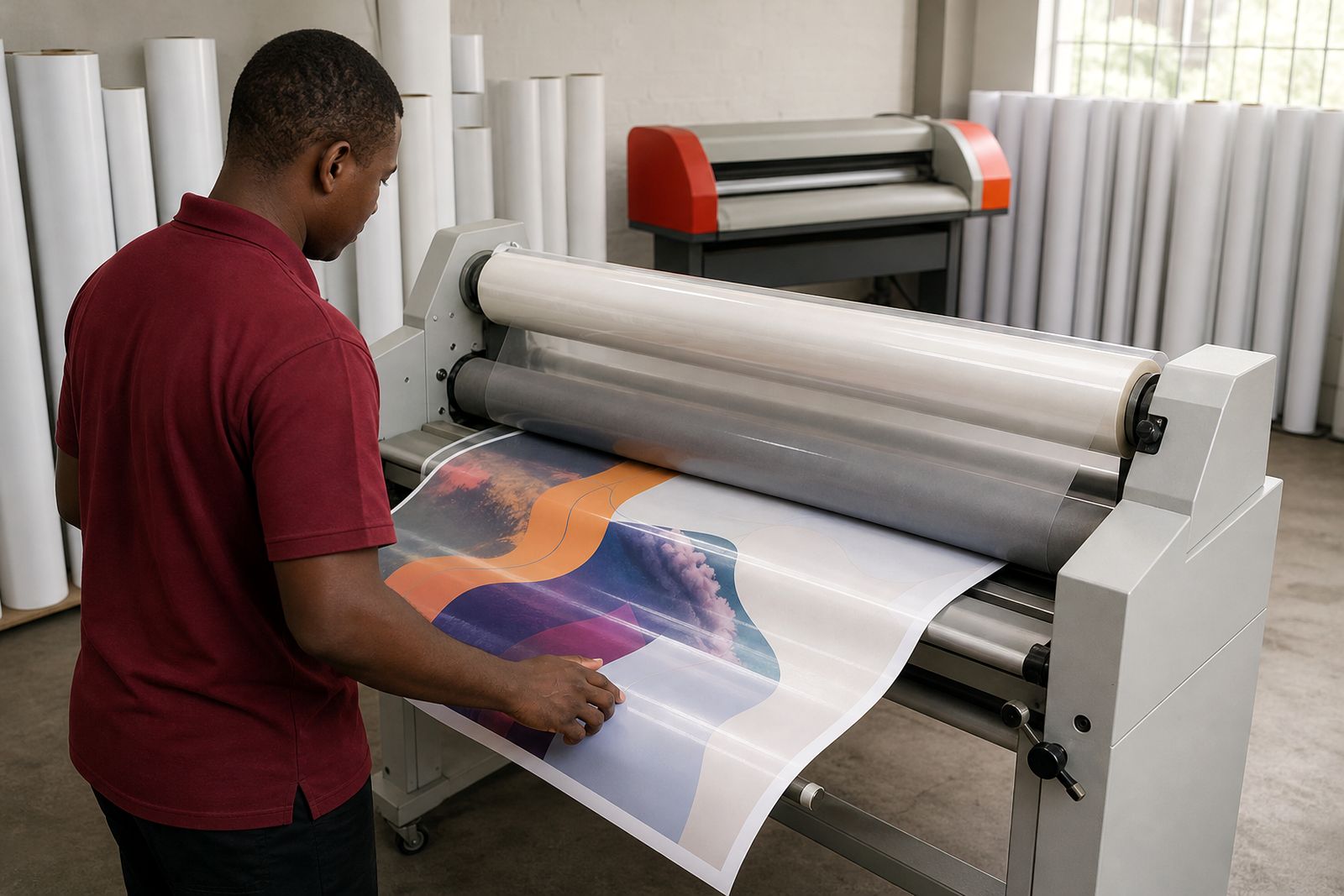
This product is a transparent self-adhesive film that is laid over a printed vinyl after the ink has dried and settled properly. It adds a sacrificial wear layer, improves cleanability and helps slow colour fade where the graphic sees sun, rubbing or regular handling.
Because it is pressure-sensitive, no heat is needed during the actual laminating process. That makes it suitable for print studios and sign shops using a cold laminator or careful manual application on shorter runs. For labels, counter graphics, wall panels and vehicle decals, the laminate often makes the difference between a print that looks fresh for longer and one that picks up scratches far too early.
- Clear finish for use over printed self-adhesive vinyl
- Helps protect against light abrasion and everyday scuffing
- Adds a barrier against dirt, splash marks and finger marks
- Assists with UV resistance when paired with outdoor printable vinyl
- Available in widths suited to common wide-format print sizes
Finishes, widths and the working limits that matter
Cold overlaminate is commonly chosen in gloss or matt finish, depending on the look required and the glare conditions at site. Gloss tends to deepen colour and make prints look sharper under indoor lighting. Matt reduces reflections on windows, wall panels and signs viewed under spotlights or bright shop lighting.
Roll widths are generally matched to common printable vinyl sizes such as 1.07 m, 1.27 m, 1.37 m and 1.52 m. In practice the laminate should cover the full printed area with a little room for alignment and trim. A wider roll is often the safer choice where prints are not running perfectly square, which happens more often than people admit.
- Gloss finish for brighter colour appearance and a smoother shine
- Matt finish for lower glare on display panels and interior graphics
- Suitable for broad-format printed decals, posters and sign faces
- Best results on fully dried prints with clean trimmed edges
- Not intended to rescue poorly cured ink, dusty prints or badly silvered vinyl
Working limits still apply. Laminate cannot correct printing issues such as trapped solvent, soft ink, heavy banding or contamination on the print face. It also does not turn an indoor vinyl into a long-term outdoor grade on its own, so the base film still needs to suit the job.
Where it suits best, and where it does not
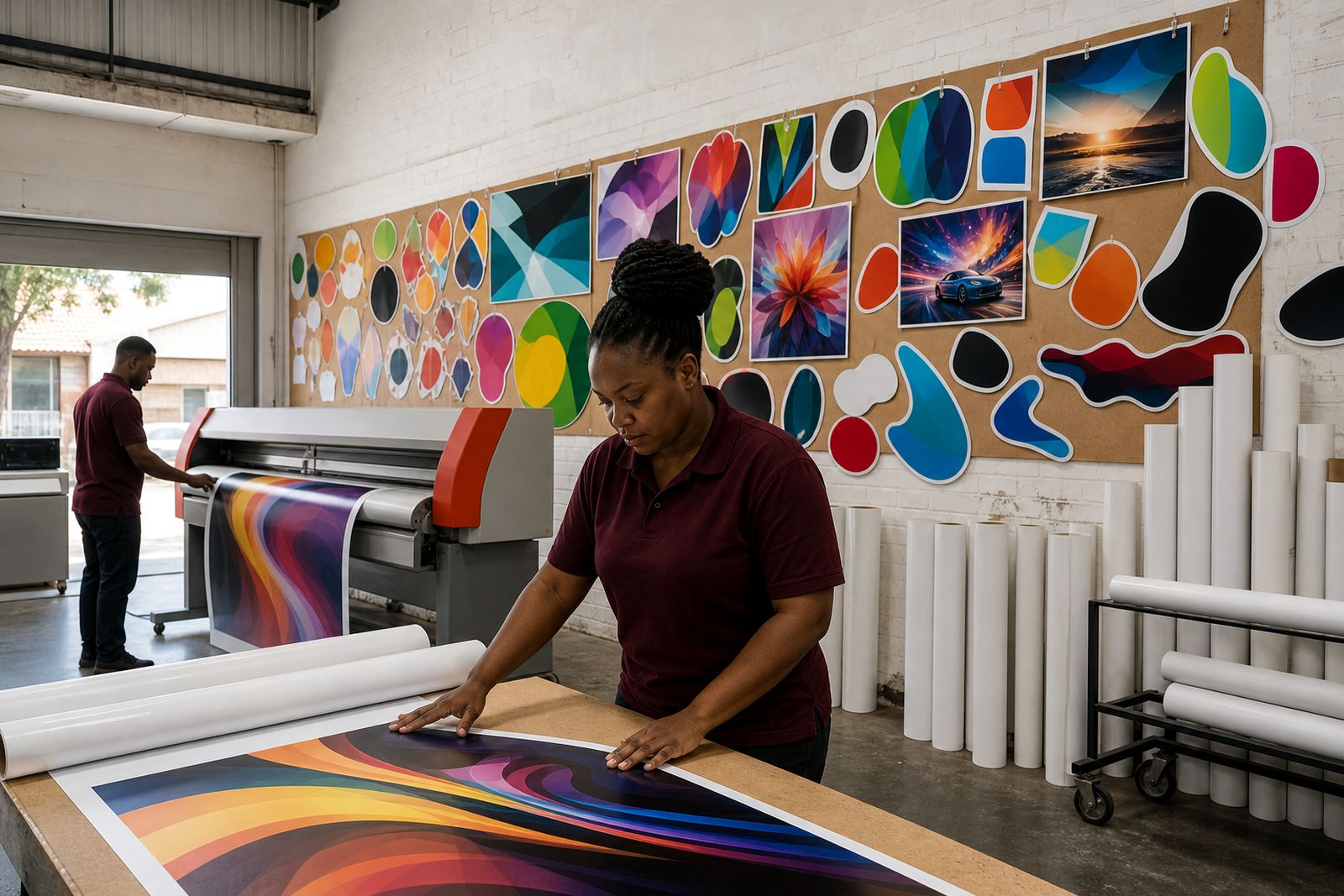
Cold overlaminate film is widely used on printed decals, product marking, retail graphics, indoor signs, menu boards, wall panels and selected vehicle or window graphics. It is especially useful where the print will be wiped down, touched often or exposed to sun near a shopfront or coastal glazing.
For outdoor use, the laminate should be paired with the correct printable vinyl grade. A polymeric outdoor vinyl with a suitable laminate will usually hold shape better on flatter surfaces than an entry-level indoor film. On the other hand, short-term promotional work may not need the extra layer at all, so there is no point overspecifying a quick campaign if the panel is only up for a brief run.
- Good for decals, labels, wall panels and sign faces
- Useful on window graphics that need easier cleaning
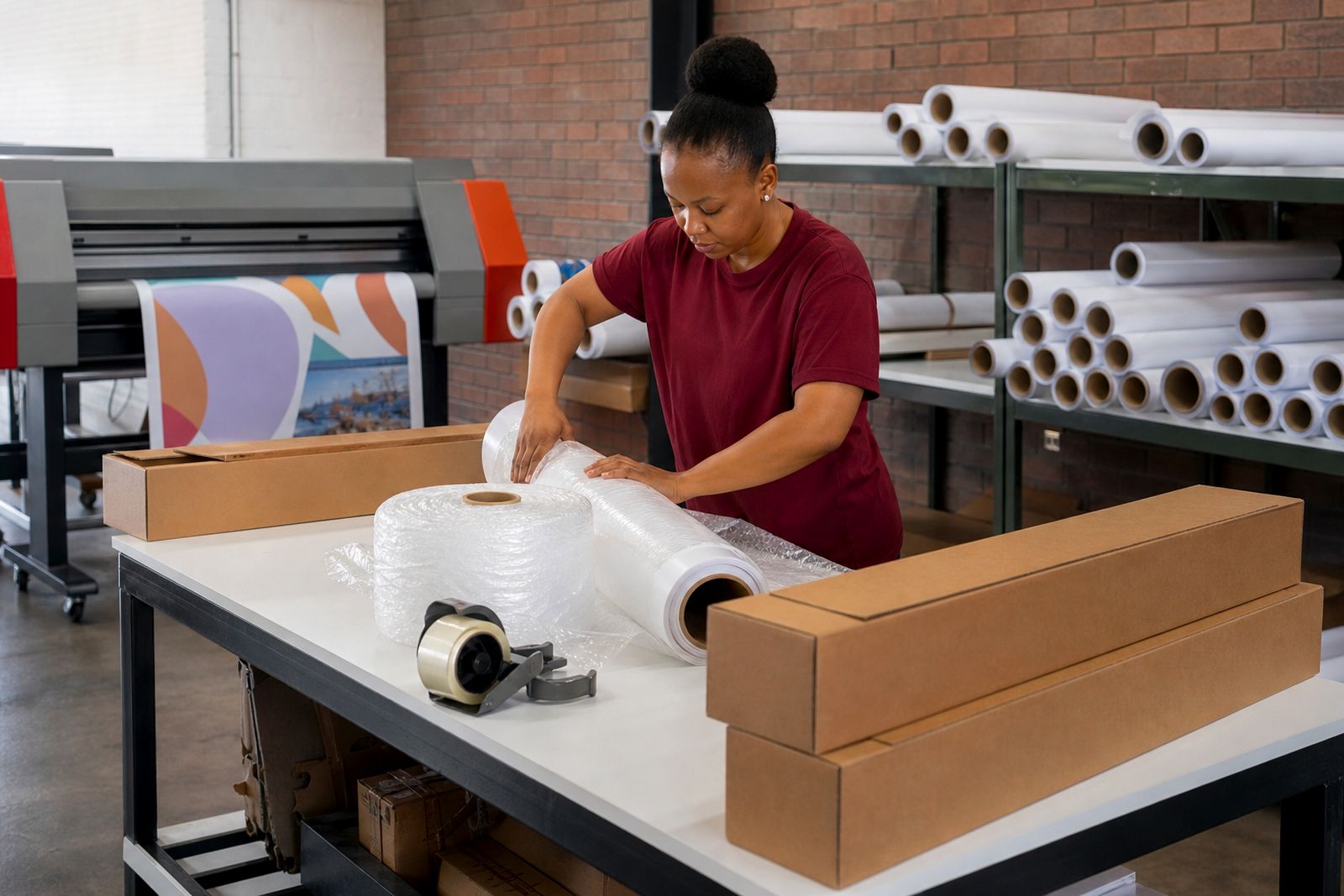
- Helps on prints handled during packing, fitting and transport
- Less suitable for deep channels, rivets and severe compound curves
- Not a substitute for anti-graffiti systems or heavy floor-rated films
If the surface will bend sharply, wrap around tight corrugations or live on a floor, ask first. Those conditions need a closer match between print film, adhesive tack and laminate flexibility, otherwise edge lift can start a lot sooner than expected.
Application conditions and site needs
The cleanest result comes from laminating only after the print has dried properly and any residual solvent has had time to leave the ink film. Applying too early can trap vapours under the laminate, leading to silvering, tunnel lines or an orange-peel look that no one wants on a finished panel.
Dust control matters. Even a small amount of lint on the print face can show through on darker colours, and static can pull in fine debris while the liner is being lifted. A stable room temperature helps with tracking through the laminator and keeps the adhesive behaving as it should.
- Use on dry, clean printed vinyl only
- Laminate in a dust-controlled print room or finishing area
- Keep roll tension even to avoid stretch and skew
- Trim edges cleanly after laminating for neater fitting
- Allow the finished graphic to rest flat before dispatch where possible
For installers working on site, the laminate does not remove the need for good substrate prep. Glass, aluminium composite, painted panels and smooth boards still need a clean, dry surface. A dirty board will still fail, laminate or not.
Care once the graphic is fitted
After installation, laminated prints are generally easier to wipe down than unlaminated prints. A soft cloth and mild cleaning solution are usually enough for dust, splash marks and ordinary handling grime. Harsh solvents, abrasive pads and aggressive scraping can dull the finish or scratch the top film.
In hotter inland conditions and on sunny coastal shopfronts, regular inspection of exposed edges is worthwhile, particularly on older panels or graphics fitted to areas with a lot of water run-off. Once dirt starts working into a lifted edge the panel can look tatty quite quickly.
Where a panel will be packed, moved and re-used for events, ask about the likely handling level so we can point you to a suitable laminate finish. A matt film may hide minor scuffs better, while gloss can show scratch lines sooner under direct lighting.
Details that help us guide the right roll
When you send an enquiry through our contact form, include the printer ink type, the printable vinyl you want to cover and the intended use of the finished graphic. Those three details do most of the heavy lifting when narrowing down the right laminate.
It also helps to know whether the print is for indoor signs, vehicle decals, window graphics, product stickers or wall panels, plus the approximate width you need. If you are seeing edge lift, silvering or cloudiness on previous work, mention that too and we can point out likely causes before you buy more film.
- Print method: eco-solvent, solvent, latex or UV
- Base vinyl type: monomeric, polymeric, removable, wall or clear
- Finish preference: gloss or matt
- Use case: indoor, outdoor, window, wall, decal or vehicle panel
- Required roll width and approximate quantity
- Any fitting issues noticed on earlier laminated jobs
What our Printable Vinyl customers say
Verified Google reviews
Questions we get asked
Can I laminate straight after printing?
It is better to wait until the print is properly dry and any residual solvent has settled out. Laminating too early can trap vapours and affect the finish.
Does laminate make any vinyl suitable for outdoors?
No. The printable vinyl underneath still needs to match the job. Laminate adds protection, but it does not change an indoor base film into a proper outdoor grade.
Is gloss or matt better for signs?
That depends on where the sign will sit and how it is viewed. Gloss gives a brighter look, while matt helps reduce glare on windows, wall panels and lit interiors.
Also worth a look
Tell us about the job
Send sizes, materials and where you are through our contact form, and we will come back with the practical options.
Open the contact form